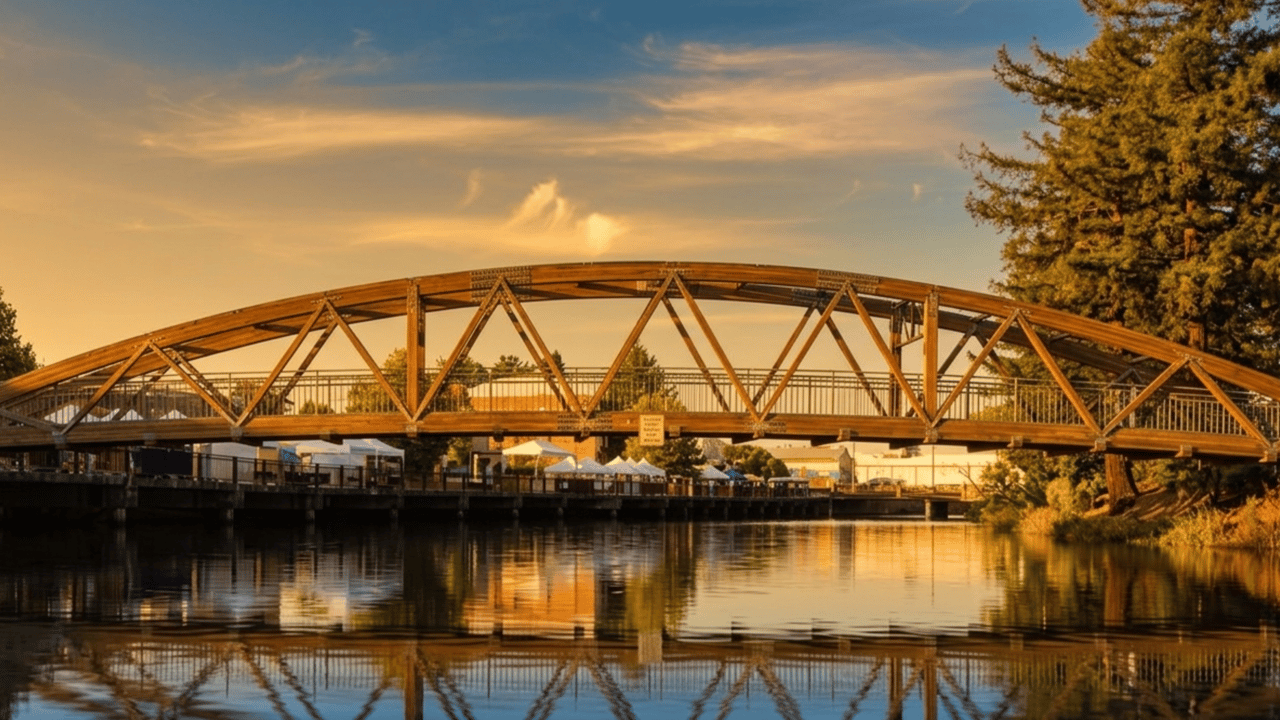
Living in Petaluma, CA: What to Know
People don't usually discover Petaluma by accident. They find it the way most great places are found by slowing down long enough to truly experience it.
Maybe you drove up from the Bay Area for a weekend and couldn't stop thinking about it on the way home. Maybe a friend moved to Petaluma and, after a visit, you found yourself imagining what life here might look like. Or maybe you've been exploring Sonoma County homes for sale for months, and Petaluma keeps standing out for reasons that go beyond real estate prices alone.
There's a reason for that.
Living in Petaluma offers something that's becoming harder to find: a city with character, connection, and a strong sense of community. Historic but alive. Connected but unhurried. Community-oriented in a way that feels earned rather than curated.
Whether you're considering a move to Petaluma or simply learning more about Sonoma County, this guide will give you a realistic look at what living in Petaluma is actually like—from its neighborhoods and local amenities to the everyday lifestyle that keeps people putting down roots here.
📍 City Snapshot: Where It Is and Who It Draws
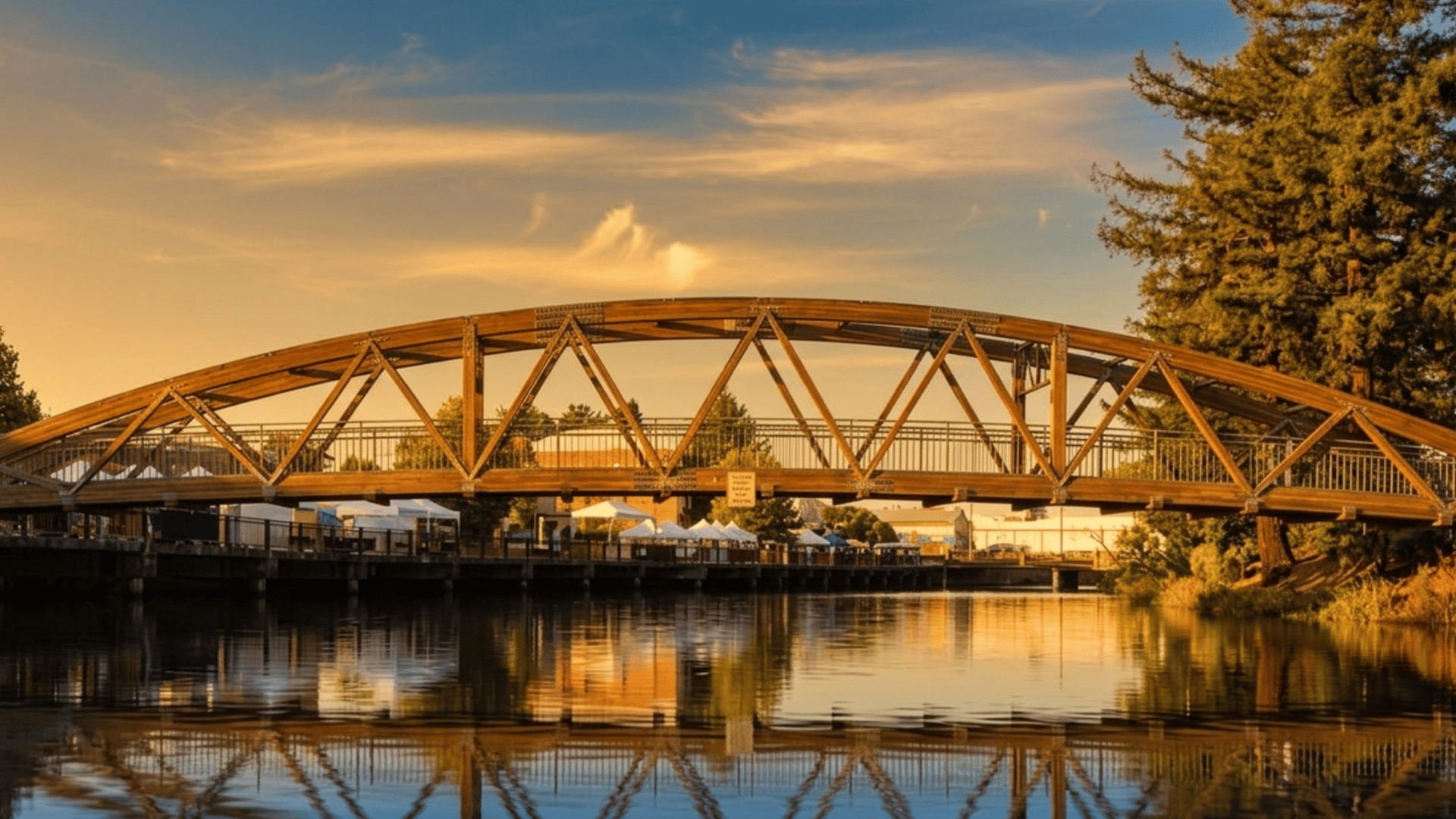
Petaluma sits at the southern end of Sonoma County, about 37 miles north of San Francisco along the Highway 101 corridor. It's close enough to the Bay Area to be a practical option for commuters, yet far enough away to feel like a completely different pace of life once you arrive.
With a population of around 60,000, Petaluma isn't a small town, but it carries itself like one in the best possible way. There's a real downtown, a farmers' market that people actually show up for, neighbors who know each other, and a food scene that has earned its reputation without needing to make a big deal about it.
The city attracts a wide mix of residents: families looking for strong schools and a little more room to grow, Bay Area professionals seeking a better balance between work and lifestyle, retirees drawn to its walkable streets and sense of community, and buyers who simply want a place with character. For many people, living in Petaluma offers something that's increasingly hard to find, a city that feels like a community rather than just a collection of houses.
🌿 Lifestyle and Vibe: What Daily Life Actually Feels Like
Life in Petaluma moves at a pace that many people find refreshing, especially if they're coming from the Bay Area.
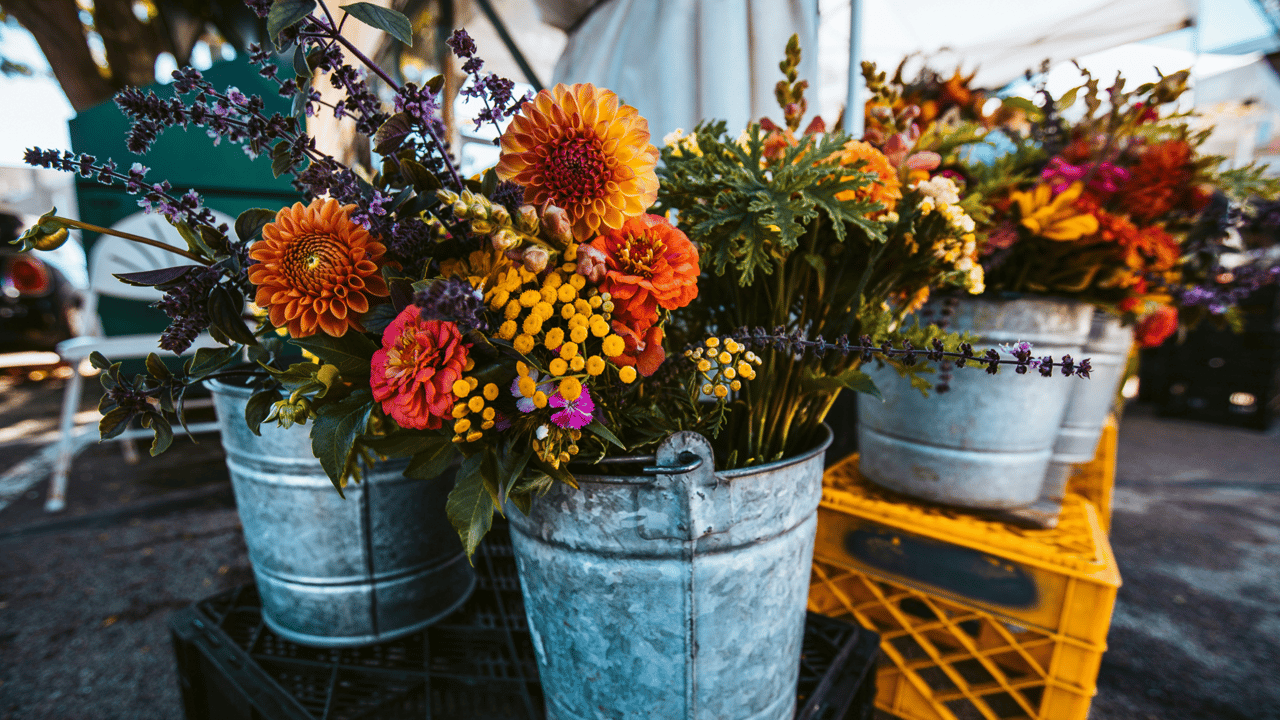
The rhythm here is community-forward. People show up at the farmers' market not because they have to, but because it's part of their routine. They linger at local coffee shops. They run into someone they know at the hardware store and end up talking for twenty minutes. It's not slow, exactly—it's intentional.
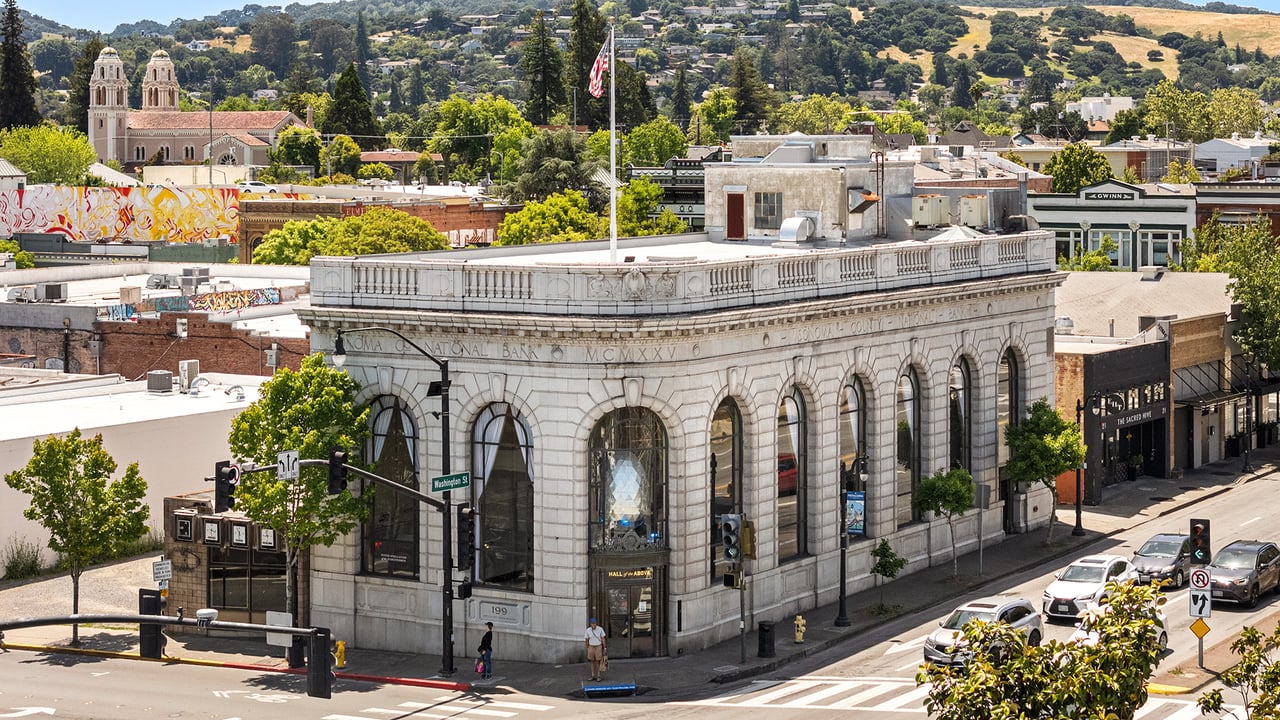
Downtown Petaluma, centered around the Petaluma River, is the heart of it all. On a Saturday morning, you'll find the riverfront busy but rarely overwhelming, bakeries with lines out the door in the best way, and the kind of foot traffic that makes a city feel vibrant without feeling crowded. The iron-front commercial buildings from the 1870s still stand downtown, while the Victorian homes on the west side remain part of everyday life rather than just local landmarks. Petaluma's history isn't tucked away—it's woven into the city itself.
For a city of its size, Petaluma also has a surprisingly active arts and culture scene. The Mystic Theatre hosts a steady lineup of live music and events, while the Petaluma Arts Center helps support the local creative community. Throughout the year, festivals, markets, and seasonal events bring residents together and give people something to look forward to beyond their daily routines.
Overall, living in Petaluma offers a strong sense of connection and community. Many residents appreciate that it feels like a place where people are engaged, involved, and invested in the city around them—something that's becoming harder to find in many communities today.
🏘️ Neighborhood Overview: East Side, West Side, Your Side
One of the first things you'll hear when exploring Petaluma is that there are two sides of town—and they feel meaningfully different. Neither is better; they're simply suited to different lifestyles.
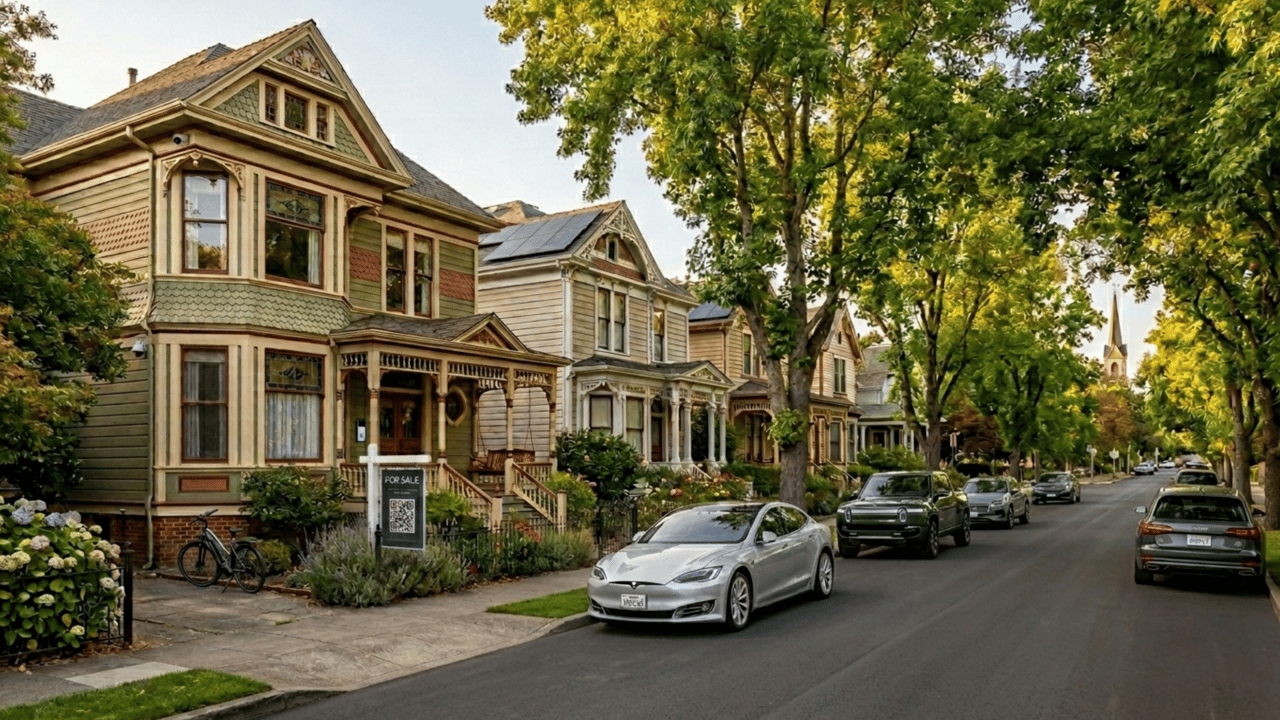
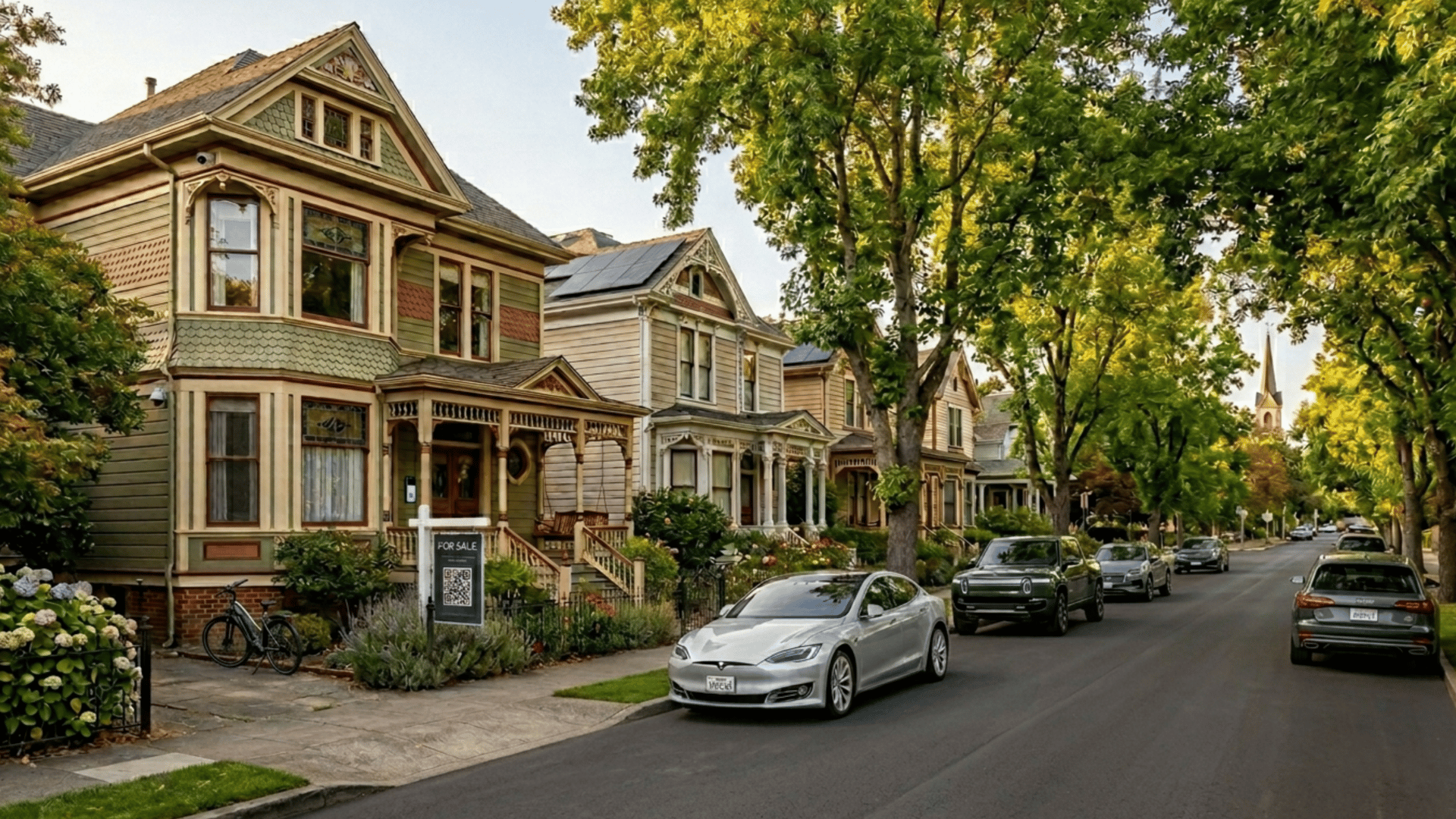
The West Side is where much of Petaluma's historic character lives. Home to downtown Petaluma, the riverfront, and many of the city's Victorian-era homes, this side of town offers a walkable, community-focused lifestyle with plenty of local charm. Neighborhoods like Oakhill-Brewster and the Historic West Side are known for their character-filled homes, tree-lined streets, and easy access to shops, restaurants, and local events. If you want to walk to dinner, stroll through downtown, and feel closely connected to the city's history, the West Side is often the first place buyers look.
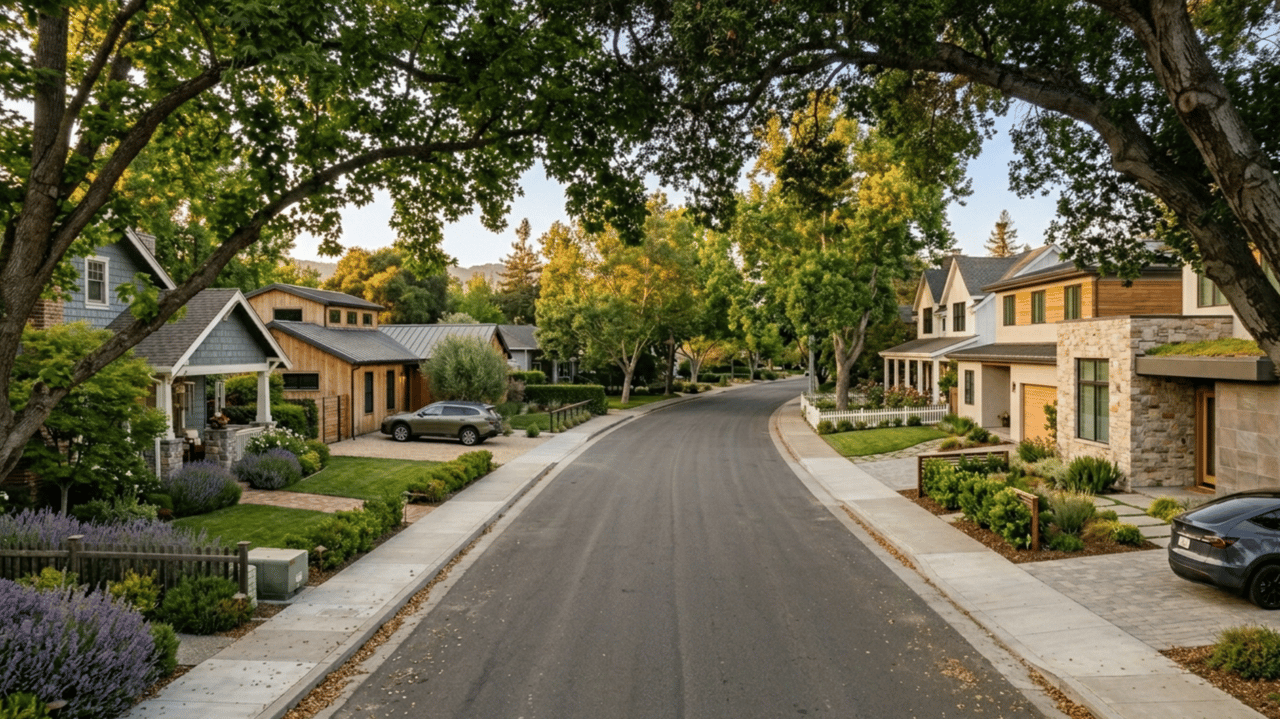
The East Side offers a more suburban feel, with newer neighborhoods, larger lots, modern floor plans, and convenient access to Highway 101. Many of the city's shopping centers, grocery stores, and everyday amenities are located here, making it a popular choice for families and commuters. It still feels distinctly Petaluma—just with a little more space and easier access to major transportation routes.
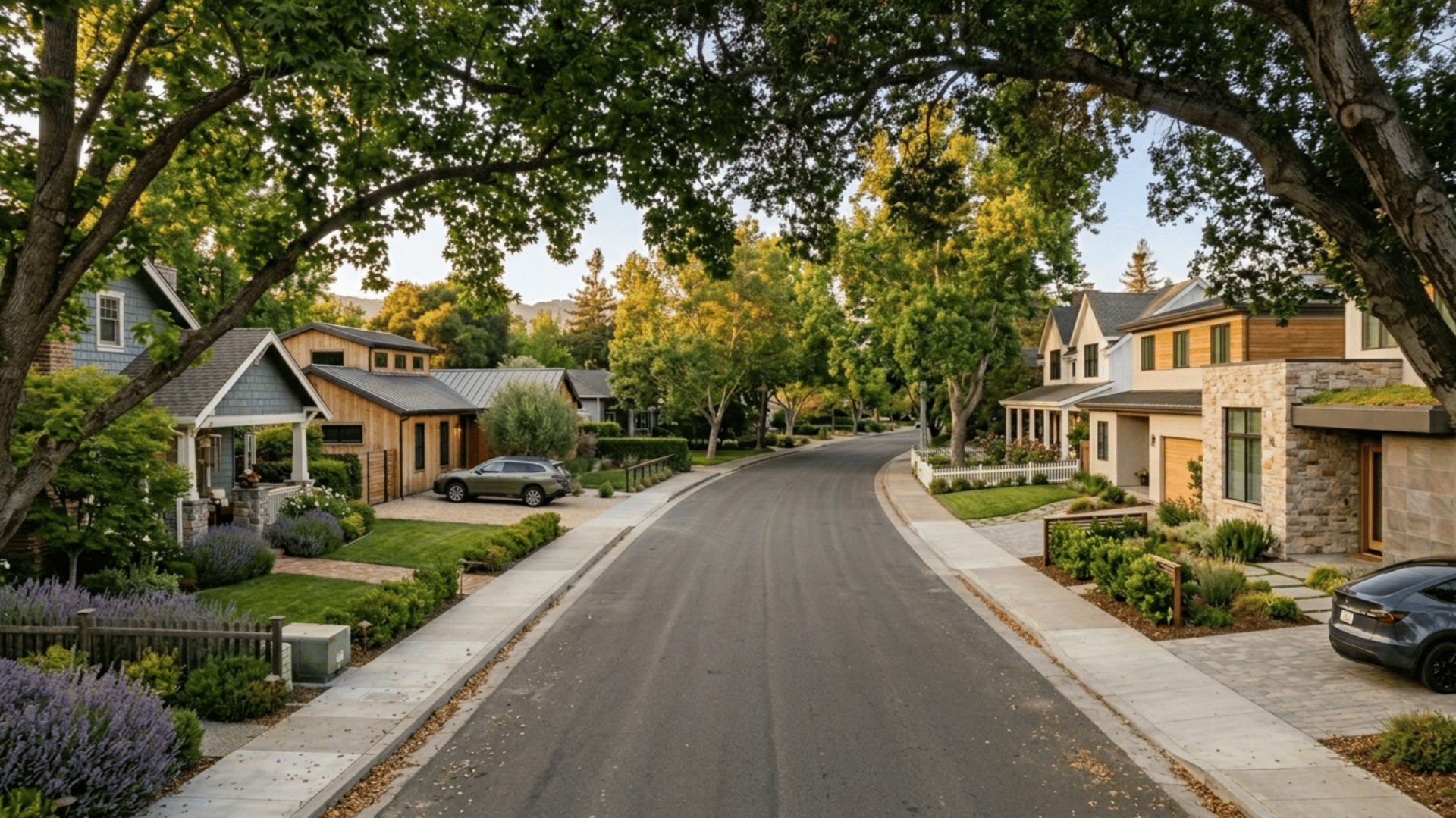
Many buyers spend time exploring both sides of Petaluma before deciding where they feel most at home. In the end, the choice often comes down to lifestyle: would you rather walk to much of your daily routine, or drive to it? Both options have plenty to offer, which is part of what makes living in Petaluma so appealing.
🏡 Housing and Real Estate Snapshot
Petaluma’s housing stock reflects its history in a meaningful way. On the West Side, you’ll find original Victorians, Craftsman bungalows, and mid-century ranch homes set within established neighborhoods that have been cared for and lived in over generations. On the East Side, newer subdivisions offer larger floor plans and modern amenities that are harder to find closer to the Bay Area.
The real estate market in Petaluma is consistently active. Located at the southern edge of Sonoma County, the city attracts steady demand from buyers who want Wine Country living with convenient access to the Bay Area. Well-priced homes in desirable neighborhoods tend to attract attention quickly.
West Side properties often command a premium due to their character, walkability, and proximity to downtown Petaluma. East Side homes typically offer more space at a more accessible price point, making them especially appealing for buyers prioritizing square footage and newer construction. Both areas have remained strong over time, and buyers who come in with clear priorities and a realistic budget tend to navigate the market more effectively.
For many relocating from San Francisco or Marin, the value difference is immediately noticeable—more space, more character, and a stronger sense of community. That balance is a big reason Petaluma continues to attract buyers who weren’t originally planning to look this far north.
💰 Cost of Living: The Honest Overview
Petaluma isn’t an inexpensive place to live—and that’s true across much of Northern California. Like most of Sonoma County, housing is the primary cost driver, reflecting the consistent demand the area continues to attract.
That said, the cost of living in Petaluma offers real value compared to markets directly south. It remains more affordable than San Francisco and Marin County, and generally aligns with or sits slightly above other Sonoma County communities, depending on the neighborhood. For everyday expenses like groceries, dining, and utilities, costs are broadly in line with the Northern California average, with food pricing staying competitive thanks to the region’s strong agricultural base.
For many buyers and renters moving from San Francisco or nearby Bay Area suburbs, the practical difference is clear: in Petaluma, their budget often stretches further. More space, more breathing room, and more of a community feel—without feeling disconnected from the Bay Area entirely.
🚂 Transportation and Getting Around
Highway 101 runs directly through Petaluma, connecting the city north toward Santa Rosa and south toward the Bay Area. Outside of peak commute hours, San Francisco is roughly 45 to 60 minutes away by car. During rush hour, that window can extend, so it’s worth testing the drive at typical commute times if daily travel is part of your routine.
For commuters who prefer not to drive, the SMART train is a practical alternative. Petaluma has two stations—Downtown and Petaluma North—with service running south to Larkspur, where riders can connect to the Golden Gate Ferry into San Francisco. The full trip typically takes around 1.5 to 2 hours, but it offers a more relaxed commute compared to driving, with time to read, work, or simply avoid traffic.
Within Petaluma itself, downtown is highly walkable and bike-friendly, making it easy to get around without a car for daily errands and local outings. The East Side tends to be more car-dependent for everyday needs, though the city continues to expand bike lanes and improve pedestrian access across both sides.
Overall, transportation in Petaluma offers a mix of options—whether you’re commuting into the Bay Area or staying local, there are workable routes depending on your lifestyle.
🎓 Schools and Family Life
Families are drawn to Petaluma for many reasons—and schools are often near the top of the list.
The Petaluma City Schools district serves the city at both the elementary and high school levels. Petaluma High School and Casa Grande High School are the two main public high schools, both offering a range of academics, athletics, extracurricular programs, and college preparation pathways. At the elementary level, schools such as Sonoma Mountain Elementary and Liberty Elementary are often recognized for strong academic performance and supportive learning environments.
Beyond traditional public schools, Petaluma also offers a diverse selection of charter and alternative programs, including River Montessori, Loma Vista Immersion Academy, Live Oak Charter (Waldorf-inspired), and McKinley Elementary Charter, among others. Several schools in the district have also received state and national recognition over the years, reflecting the community’s long-standing focus on education.
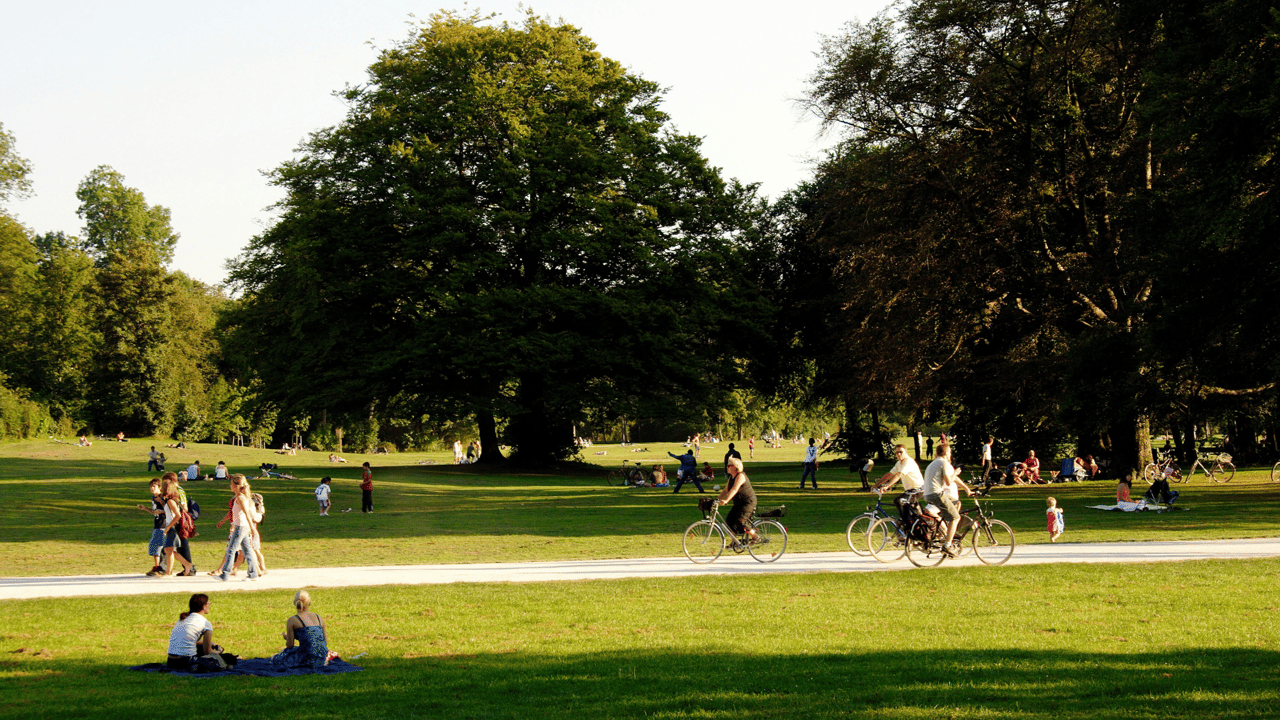
Outside of academics, family life in Petaluma is supported by an abundance of parks and outdoor spaces. Helen Putnam Regional Park on the west side offers hiking trails with sweeping views of the Sonoma hills, while Shollenberger Park provides peaceful walking paths through wetlands along the Petaluma River, known for birdwatching and quiet outdoor time. The river itself also plays a central role in everyday recreation, from walking paths to kayaking and simply spending time near the water.
🍽️ Lifestyle Amenities: Food, Shopping, and the Good Stuff
Petaluma has quietly become one of the most interesting places to eat in Sonoma County. The farm-to-table ethos here isn’t a trend—it’s a natural extension of being surrounded by agricultural land that directly feeds the local food scene.
Table Culture Provisions (TCP) is listed in the Michelin Guide USA, offering a tasting menu experience from a downtown space that feels at home in any major food city. Bijou, from the same chef, brings a French-inspired à la carte concept just down the street in a larger, more relaxed setting. The Shuckery at the historic Hotel Petaluma has received recognition for its oyster program, including regional awards in recent years. Levant adds thoughtful new Mediterranean and Middle Eastern flavors to the mix, while The Bagel Mill has built a loyal following with a consistent local crowd. Overall, the restaurant scene in Petaluma continues to grow, with new spots regularly raising the standard.
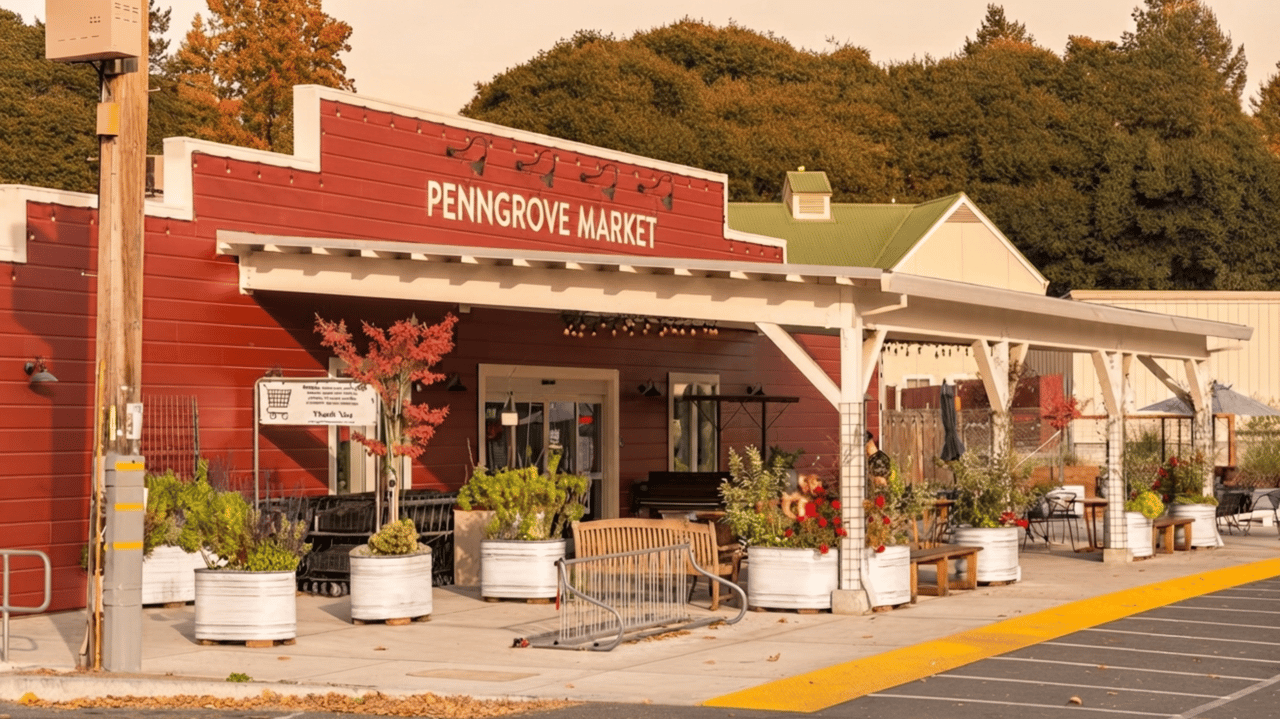
For everyday needs, the East Side’s McDowell Boulevard corridor handles the practical side of life—grocery stores, big-box retail, and essential errands. On the West Side, downtown Petaluma offers a more walkable, experience-driven mix of independent boutiques, specialty food shops, bookstores, and antiques. Lagunitas Brewing Company remains a local staple and a consistent gathering spot for both residents and visitors.
Beyond city limits, the weekend options expand quickly. Sonoma wine country is about 30 minutes east, Napa is under an hour away, and Point Reyes National Seashore sits roughly 35 minutes to the southwest. Each destination is close enough for spontaneous day trips, making Petaluma a strong base for exploring Northern California.
✅ What People Love About Living in Petaluma
The community is the real thing. Not the kind you perform for an Instagram caption - the kind where people actually show up, check in, and invest in where they live. Petaluma has maintained that quality through decades of growth, and residents protect it.
The food and lifestyle access is genuinely hard to beat. A world-class farmers' market, a dining scene anchored by a Michelin Guide-listed restaurant, and Wine Country within reach on any given afternoon - for quality of everyday life, very few cities in Northern California are keeping pace.
It's the right size. Big enough for real infrastructure - good schools, solid retail, a hospital, a cultural calendar. Small enough that you actually get to know people. That balance is harder to find than it sounds.
The character is irreplaceable. Victorians, the river, rolling hills at the edge of town, farmland visible from your morning run - this is not a backdrop that can be built from scratch. It took 150 years to look like this. That has value that doesn't depreciate.
Bay Area access without Bay Area pressure. More space, more air, a lower price point, and a life that has room to breathe. For buyers making the move north, Petaluma is often where the math and the gut feeling finally agree.
🤔 A Few Things Worth Knowing
The commute is real. Peak-hour traffic on 101 can stretch significantly, and daily driving to San Francisco or the South Bay adds up. The SMART train helps, but it's worth running your actual commute scenario before committing.
It's a premium market. Petaluma is more accessible than San Francisco or Marin, but values are strong and inventory can be tight. Coming in with clear priorities - and a realistic sense of what your budget gets you on each side of town - matters.
East Side or West Side is a genuine choice. The two sides have different characters, different price points, and different daily experiences. Buyers who spend time on both and get honest about their lifestyle tend to land in the right place. Buyers who skip that step sometimes don't.
🏡 Who Petaluma Is Best For
Families - Good schools, great parks, safe neighborhoods, and a community that genuinely invests in the next generation. Petaluma checks the boxes and then some.
Bay Area professionals - Commute access via 101 or the SMART train, meaningful lifestyle upgrade, and a home that feels like more than a place to sleep between workdays.
First-time buyers - For buyers priced out of Marin or closer Sonoma communities, Petaluma often represents the real entry point into the market without feeling like a compromise.
Retirees and downsizers - A walkable downtown, rich community life, outdoor access, and a manageable city scale make Petaluma one of the best places in Sonoma County to settle into the next chapter.
Investors - Consistent demand, historically strong appreciation, and a location that keeps drawing buyers from the south. The fundamentals here hold up.
Petaluma doesn't ask you to take its word for it. It just shows you what it's got - the riverfront on a Saturday morning, a dinner reservation somewhere downtown you'll be talking about for a week, a neighborhood street lined with Victorians and mature trees and the particular quiet that comes from living somewhere that has figured out what it wants to be.
The people who find Petaluma tend to stay. And the ones who almost moved here but didn't often end up wishing they had.
When you're ready to explore what living here could actually look like for you, the Pearson Fillinger Group is here to help. We know these neighborhoods, we know this market, and we're happy to give you honest, grounded guidance - no pressure, no pitch. Just real local insight from people who genuinely love where they work.
Reach out anytime. Petaluma has a way of surprising people, and we'd love to show you why.